
The Hidden Cost of AI-Generated Illustration

Why professional illustration and surface pattern design are a smarter investment for product based businesses.
It is fast, affordable and seemingly unlimited. Especially in product design, packaging, stationery, textiles, homeware, gift products and surface pattern design AI generated visuals may look like an easy solution.
But when illustrations are meant to be used on real products, speed and lower costs is not the only thing that matters.
A beautiful image is not automatically a strong product design. A generated illustration is not automatically a usable pattern. A quick result is not the same as a thoughtful, strategic and production ready design.
For companies, this difference matters. Product illustrations need to work on real surfaces, appeal to the right customers, fit the brand, support product positioning and be usable across formats, materials, and collections.
A Pretty Image Is Not Enough
At first glance, generative AI seems simple. You type in a few words, receive an illustration and use it on a product. But product illustration is rarely that simple.
A design may look attractive on a screen, but that does not mean it will work on fabric, wrapping paper, packaging, ceramics, stationery, wallpaper, children’s products or home accessories.
Once an illustration becomes part of a physical product, many practical questions appear. Does the scale work? Is the design too busy or too empty? Does it work from a distance as well as up close? Can it be adapted into different colourways? Can it become a clean repeat pattern? Is it technically suitable for production?
Surface pattern design is not just decoration. It is design for surfaces, materials and real world use.
A good pattern needs rhythm, balance and a clear sense of purpose. It has to repeat naturally, support the product and work in everyday life.
AI Creates Images. Illustrators Create Collections.
Most companies do not need just one isolated image. They need a product world.
A strong collection may include a hero pattern, supporting patterns, smaller coordinates, icons, placement illustrations, colour variations and seasonal additions. These elements need to work together visually. They need to feel connected, without becoming repetitive.
A professional illustrator or surface pattern designer thinks in systems. They understand how colour, scale, composition, rhythm and brand personality work together.
AI can generate many individual images. But many individual images do not automatically create a thoughtful collection.
For businesses, this is important. A well designed collection can support product ranges, seasonal launches, packaging systems and long term brand recognition. It gives a company more than one pretty design. It gives the company a visual language.
Product Illustration Needs to Understand the Customer
A pattern for baby products needs a different visual language than a design for premium home textiles. A gift wrap illustration works differently from cosmetic packaging. A design for children’s clothing communicates differently from one used on notebooks, greeting cards or kitchenware.
Professional illustrators understand these differences.
They think about who the product is for, where it will be sold, what price point it belongs to and what feeling it should create. Should the design feel playful, calm, elegant, nostalgic, modern, natural, bold or humorous?
A good product illustration does not try to speak to everyone. It speaks to the right people.
That is a business advantage. Design affects how a product is perceived. It can make a product feel affordable or premium, generic or distinctive, trendy or timeless.
Recognisable Design Builds Brand Value
Many AI generated visuals look impressive at first, but often feel interchangeable. They follow familiar trends, combine popular aesthetics and produce images that may be attractive, but rarely feel truly ownable.
For brands, this can become a problem.
Companies do not need another generic floral pattern, animal illustration or abstract trend design. They need a visual style that belongs to them. They need a recognisable look that can grow across products, seasons and campaigns.
A professional illustrator brings a unique visual voice. Linework, colour choices, composition, storytelling, and artistic personality can all become part of a brand’s identity.
Companies that want to build recognition need more than attractive images. They need a visual language that stays in people’s minds.
Professional Illustration Gives Companies Security
The work does not end when the image looks finished. For businesses, the final file needs to be usable.
Product illustrations often require clean repeat files, print ready formats, scalable elements, colour variations, layered files, and adaptations for different materials or product shapes. Companies also need clear usage rights.
Where can the design be used? On which products? For how long? In which markets? Is the license exclusive or non exclusive? Can the design be modified?
Working with a professional illustrator gives companies clarity. They receive not just a visual, but a creative process, proper files, and clearly defined rights.
A beautiful image is not automatically a production ready design file. A cheap shortcut can become expensive if the result later needs to be fixed, redrawn, adapted, licensed or replaced.
The Person Behind the Illustration is a USP
Companies do not only benefit from the finished illustration. They also benefit from the person behind it.
When a product collection is created in collaboration with an illustrator or surface pattern designer, the brand receives more than a design. It receives a story.
Who created the illustration? What inspired the colours and motifs? What sketches or mood boards shaped the final collection? Why does this visual direction fit the brand?
All of this can become valuable content for communication. It can be used on the company website, on social media, in newsletters, on packaging, during product launches or at the point of sale.
An AI generated illustration remains anonymous. It has no personal handwriting, no creative biography and no real process that can be shared. A designer brings personality, style, experience and creative intention.
People connect with people. Not with prompts.
In the Age of AI, Real Illustration Becomes a Statement
Because generative AI is now widely available, choosing to work with real illustrators has become more meaningful.
It is not only a creative decision. It is also a statement.
A company that collaborates with professional designers shows that it is not simply choosing the fastest or cheapest route. It shows that it values quality, creative work, individuality and carefully developed products.
Many consumers notice this. They can often sense whether a product feels generic and anonymous, or whether there is real thought, care and creative intention behind it.
Working with illustrators sends a clear message. This brand takes design seriously.
It also signals that the company is not only focused on maximum efficiency or profit optimisation. It shows a commitment to quality, originality and meaningful creative work.
When images can be generated at any time, intentionally crafted illustration does not become less valuable. It becomes more valuable.
Conclusion: Good Design Does Not Happen by Accident
Surface pattern design and product illustration are more than decorative surfaces. They combine illustration, product understanding, brand strategy, technical knowledge and storytelling.
Companies that work with professional illustrators invest in more than attractive visuals. They invest in thoughtful product worlds, recognisable design, clear usage rights, production ready files and illustrations with a real story behind them.
AI may be able to generate images but it cannot replace a human creative voice, a thoughtful design process, a deep understanding of products and brands or the person behind the illustration.
Because strong product illustration, product- or surface pattern design does not happen by accident. It is designed.
Behind the Design: How My First TULA Collection Came to Life
To make this idea more tangible, here is a look behind the scenes of my first TULA collection.
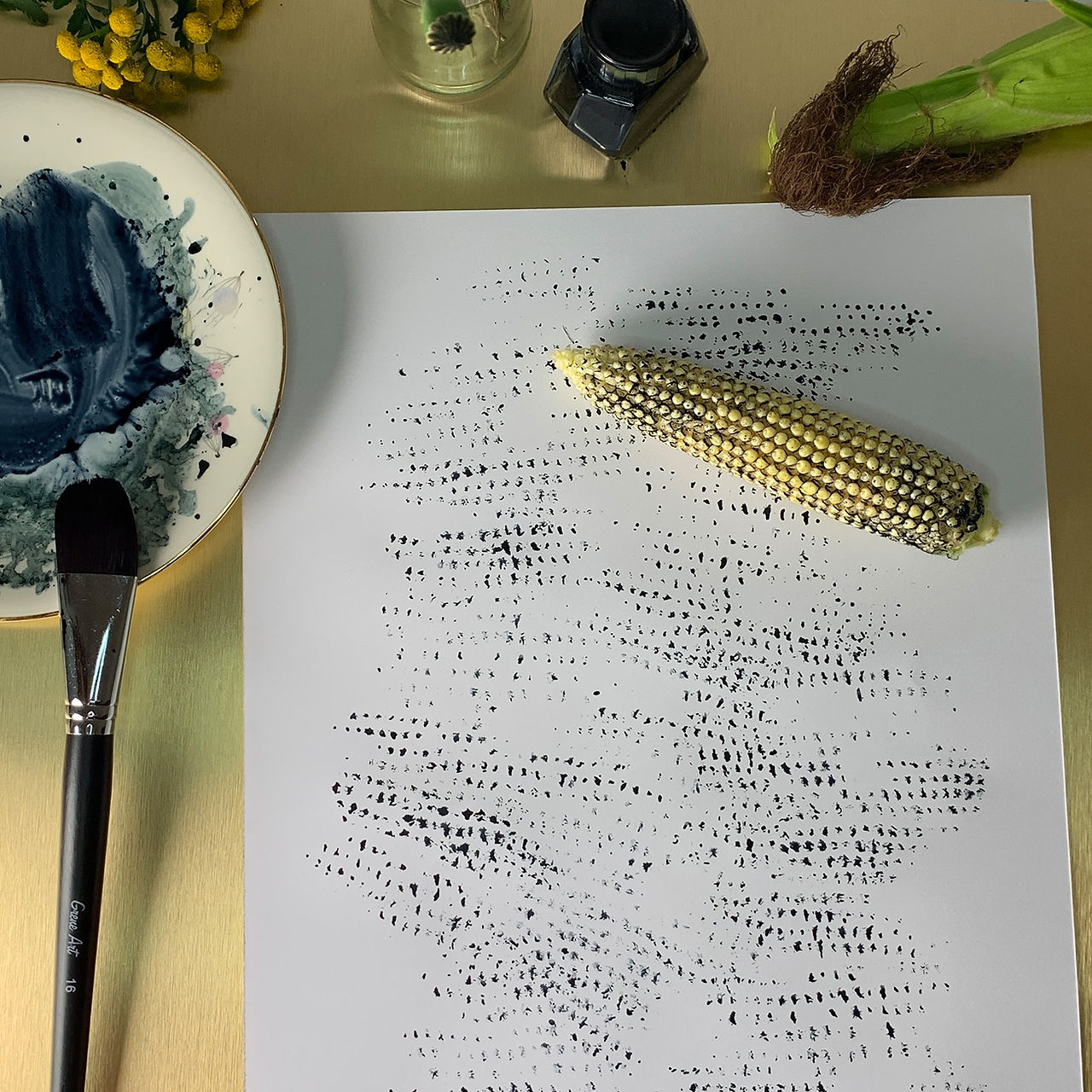
My first TULA collection started with real flowers and fruits, which I used to create hand stamped motifs. I loved how this process brought natural textures, small imperfections, and a handmade character into the designs.
From these original motifs, I developed a full fabric collection with coordinated patterns. The individual elements were refined, arranged and turned into designs that could work together across different products and surfaces.
I also created technical drawings as part of the process. These helped to present the collection more clearly and were later used for marketing as well.
For me, this collection is a good example of how surface pattern design can create more than a final illustration. It can tell a story, show a process and build a complete visual world around a product.




Comments